
Understanding Trading Paper Crypto: A Comprehensive Guide for New Traders
If you’re just stepping into the world of cryptocurrency trading, you might have encountered the term “Trading Paper Crypto.” In the complex arena of decentralized currencies and blockchain technology, the initial learning curve can be daunting. However, there are resources and strategies, such as trading paper, that can help you master the skills needed for success. To begin your journey, Trading Paper Crypto visit website that dives into various aspects of crypto trading.
What is Trading Paper Crypto?
Trading Paper Crypto refers to the practice of utilizing a simulation or paper trading environment that allows traders to practice their strategies without risking real money. This method is particularly useful for beginners looking to gain experience in the crypto market. Trading paper works similarly to a demo account offered by brokers, allowing you to track profits and losses based on fictitious trades while honing your skills.
Why Use Paper Trading?
There are several reasons why paper trading can be incredibly beneficial:
- Risk-Free Environment: New traders can develop their strategies without the financial pressure that comes from real money trading.
- Learn the Platform: By using a paper trading system, traders can become familiar with the trading interface and operations of different platforms.
- Experimentation: Trading paper allows you to test various strategies, including day trading, swing trading, or long-term investing without the risk.
- Confidence Building: As you gain success with paper trades, you can boost your confidence, making it easier to transition to real trading when you’re ready.
How to Get Started with Trading Paper Crypto
Here are the steps you should consider to start paper trading:
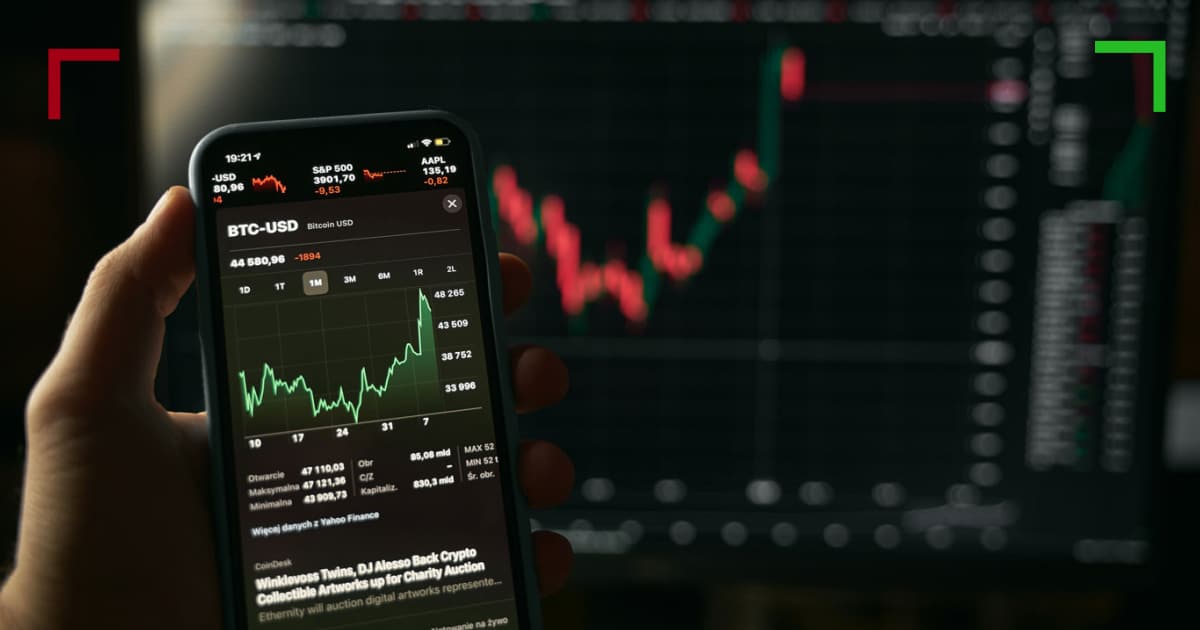
- Choose a Platform: Many trading platforms offer paper trading options. Some popular choices include Coinbase, Binance, and Kraken. Choose one that aligns with your interests and needs.
- Create a Demo Account: Sign up for a demo or paper trading account on your chosen platform. Ensure you familiarize yourself with the features available.
- Study Market Trends: Stay informed about the latest trends in crypto, and analyze different cryptocurrencies before you start trading.
- Develop a Trading Plan: Create a detailed trading strategy, including entry and exit points, risk management protocols, and investment goals.
- Start Trading: Begin executing trades based on your strategy and track your performance over time. Adjust your plan as you learn more about the dynamics of the crypto market.
Key Strategies for Successful Paper Trading
When it comes to crafting successful trading strategies, consider these techniques:
1. Technical Analysis
Technical analysis involves analyzing charts, patterns, and indicators to predict future price movements. Learn to read candlestick charts, understand key support and resistance levels, and use moving averages and other indicators.
2. Fundamental Analysis
Understanding the fundamentals behind cryptocurrencies is vital. This includes knowledge about the projects, white papers, use cases, team backgrounds, and overall ecosystem developments.
3. Risk Management
Establishing a risk management strategy is crucial—never risk more than you’re willing to lose on a single trade. Determine the percentage of your trading capital that you will risk and set strict stop losses.
4. Keep Emotions in Check

One of the biggest challenges in trading is managing your emotions. Stick to your trading plan and avoid making impulsive decisions based on fear or greed.
5. Review and Adapt
Regularly review your trades to understand what strategies worked and what didn’t. Adapt your plan based on your findings, and continuously seek to improve your trading approach.
Common Challenges in Paper Trading
While paper trading is an immensely useful practice, it does come with its own set of challenges:
- Emotional Disconnect: Simulated trading lacks the emotional stakes of real money trading, which may lead to overconfident decisions.
- Market Conditions: Paper trading may not account for the real-time volatility and unpredictability of the crypto market.
- Execution Delays: In live trading, execution delays can impact performance, which might not be reflected accurately while paper trading.
Transitioning from Paper Trading to Real Trading
Once you feel confident with your paper trading performance and strategy, it may be time to transition to real trading. Here are key points to consider:
- Start Small: Begin by trading small amounts that you can afford to lose. This will help mitigate financial risk as you transition.
- Stay Disciplined: Continue to adhere to your risk management strategies and trading plan. Avoid the temptation to deviate based on sudden market changes.
- Keep Learning: The crypto landscape is ever-evolving. Stay updated on news, market conditions, and new trading tools that could benefit your journey.
Conclusion
Trading Paper Crypto is an excellent way for beginners to build their skills, confidence, and understanding of the complex cryptocurrency market. Through simulated trading, you can explore different strategies, learn from your experiences, and prepare for real-world trading without the financial risks. As you navigate this exciting world, remember to keep learning, stay disciplined, and continuously refine your approach.