The maker presents a buy/sell price, shopping for and selling at the most effective current bid. Adjusting methods, implementing risk administration protocols and staying informed about market conditions are vital for minimizing these inherent challenges. Cryptocurrency exchanges use a Maker/Taker model to steadiness liquidity and encourage market makers to add liquidity, making Limit orders more beneficial for trading. This system ensures that each makers and takers can engage in buying and selling under favorable situations, which helps stabilize asset costs and preserve market dynamics.
In the cryptocurrency market, initiatives like UniSwap that run AMMs have gained pace and credibility over the last two years. Compared to a conventional maker-taker model, AMMs enable the market to function in a decentralized autonomous method on decentralized exchanges (DEXs). As talked about, the traders that flock to an exchange act as both makers or takers. MTs usually use orders and directions to buy or promote at the most effective price. This allows them to complete transactions immediately, particularly in fast-moving markets where prices change rapidly.
Taker orders, that are immediately executed, incur a small transaction charge. In contrast, maker orders, which stay on the order e-book, are subject to decrease percentage fees, also called maker charges, once the order is matched. Market makers profit from the spread between the purchase and promote costs of property. A liquid market is one the place you ought to buy and sell property simply at a fair value.
Due to the shortage of demand, it goes to be tough to promote an asset at a fair worth. You will subsequently have to wait for a protracted time for an order with the desired worth to appear, or you will have to sell the asset at a lower cost. This stage of exercise tends to converge the interests of patrons and sellers, resulting in a detailed proximity between the bottom sell order (ask price) and the very best purchase order (bid price). Consequently, the distinction between these costs, known as the bid-ask unfold, remains minimal or tight. Before embarking on a complete discussion about makers and takers, it’s essential to delve into the idea of liquidity in greater element. When people discuss with an asset’s liquidity or lack thereof, they’re essentially addressing its ease of saleability.
- For exchanges that use a maker-taker mannequin, the makers are very important to the platform’s attractiveness as a trading venue.
- Due To This Fact, they are depending on an affordable worth to enter or exit a buying and selling place.
- Neither we accept liability for any errors or omissions in the information provided or for any financial losses incurred on account of counting on this info.
- MMs, the quiet builders of liquidity, ensure that markets remain stable and accessible, whereas market takers, the bold executors of trades, inject energy and momentum into the system.
You can get monetary savings on buying and selling fees by storing the WBT tokens on the crypto exchange WhiteBIT. When buying and selling, it is important to understand whether you are a maker or a taker in terms of liquidity, as this affects https://www.xcritical.com/ the commission on a centralized exchange (CEX). Persevering With the analogy of a store, whenever you place objects in your stock on the cabinets, you’re essentially making them out there for somebody to come back and buy. This individual turns into the taker, consuming the products or services you provide. Instead of merely selecting gadgets off the cabinets, they are primarily consuming the liquidity you’ve made accessible.
What’s Liquidity?
Having robust market-making relationships will assist preserve orderly ongoing ETF operations, liquid secondary markets, and tight bid-ask spreads. By maintaining sturdy relationships with their market-making partners, an ETF issuer can extra easily conduct rebalances, reconstitutions, and other brokerage providers they could want. When an issuer launches new ETF merchandise, an existing relationship with a market maker enhances the power to bring new choices to market. Fluctuations can lead to sudden losses, especially if market situations change quickly. A market order is an instruction to purchase or sell a specific amount of a cryptocurrency on the current market value. Market orders are utilized by traders who prioritize instant execution over the worth at which the commerce is executed.
If there have been solely 1-2 distributors and every had a hundred fruits, however a thousand folks attended the market, there wouldn’t be enough items for sale to fulfill customer demand. Market takers are these market members within the buying and selling ecosystem that search instant liquidity to make a commerce and execute their position. This entails that they work in a symbiotic relationship and need each other to realize their respective goals. AMMs usually use a predefined mathematical equation to determine the relationship between the assets held within the liquidity pool.
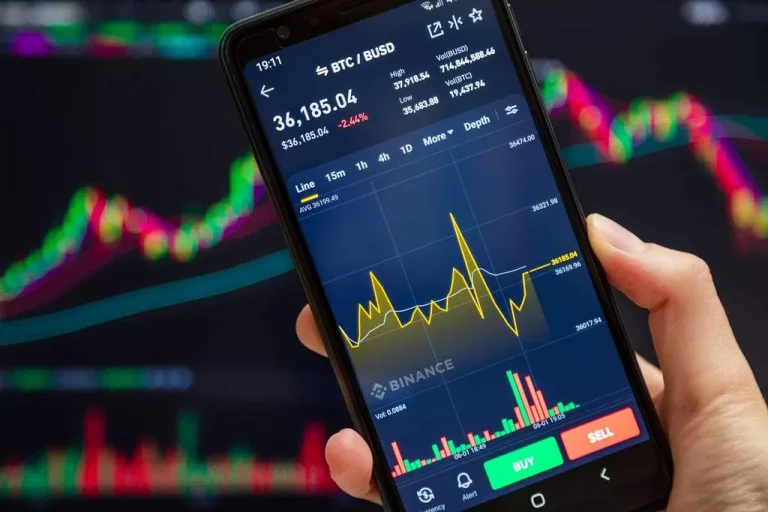
An MT is a participant who accepts the prices supplied by a market maker or different traders to execute trades instantly. Continuously inserting orders on each side of the order book increases the provision of purchase and promote options for other participants. This enhanced liquidity results in tighter spreads (the distinction between bid and ask prices), making trading cheaper for everyone. By guaranteeing there is at all times a buyer or seller for the safety, market makers eliminate delays when traders can’t find counterparties for their transactions. This capability makes them notably useful during high market stress, when traders could also be hesitant to enter or exit positions.
Market Maker Vs Market Taker: Everything You Have To Know
Makers and takers are the lifeblood of many trading platforms, and their presence (or lack of it) separates robust exchanges from weak ones. MMs actively form the market by sustaining constant purchase and promote orders. Their activity ensures that markets stay Proof of identity (blockchain consensus) useful, even during periods of low exercise or high volatility. Without market makers, many financial markets would lack the depth and effectivity needed for clean operations.
A significant quantity of trading, numerous market members, and sizable demand and supply available on the market are all indicators of a liquid asset. This makes it simpler for consumers and sellers to find each other and reduces the chances of a single order inflicting a sharp value change. Market makers improve market depth, providing larger liquidity for different merchants on the change. Takers, however, place orders instantly bought or filled, consuming one of the best out there worth on the orderbook for the given order dimension. Takers act as liquidity shoppers, as their trades are processed in opposition to an existing order, reducing market depth. On the opposite hand, market takers favor immediacy, executing orders at the most effective available value. newlineThis type is right for those who prioritize velocity and certainty of their trades, even at the worth of larger charges.
Together, they create the foundation of trading ecosystems, driving liquidity, enabling value discovery, and guaranteeing the smooth operation of markets. Market Makers are establishments or people that improve the liquidity and effectivity of financial markets by bringing buyers and sellers collectively. Their major aim is to facilitate the easy execution of purchase and promote transactions at any time by constantly offering bid and ask prices. Market Makers fill the gaps between provide and demand and contribute to price stability by offering a continuous market for traders desirous to make transactions. An order book serves as a real-time, dynamic ledger that shows all the purchase (bids) and promote (asks) orders for a selected asset, corresponding to a cryptocurrency, at numerous value ranges. Market takers are traders or investors who withdraw liquidity from the market by placing orders that get executed immediately, like Market orders.
They may buy assets that lose worth earlier than they’ll sell them or vice versa. To mitigate these risks, MMs depend on refined risk management tools and hedging strategies. MTs primarily use market orders, that are executed immediately at the most effective out there worth.
Generally, exchanges reward makers with lower charges as they supply liquidity. In distinction, takers make use of this liquidity to easily buy or sell assets. Many buying and selling platforms impose taker charges for consuming liquidity, which can be a significant expense for frequent traders.
Investment into crypto-assets will not be regulated and is probably not sufficient for retail investors. Do your personal analysis and due diligence before participating in any exercise involving crypto-assets. Market makers obtain larger rebates because they provide liquidity, which is important for a healthy buying and selling surroundings. Market takers risk paying greater fees and probably getting less favorable costs due to market fluctuations. Understanding the ‘maker vs taker’ model is important for gaining insights into liquidity and buying and selling dynamics, which directly influence value fluctuations.