
Vasomotor rhinitis may be a response to environmental triggers, although it sounds alarming, it’s typically not severe. People with alcohol intolerance may experience immediate reactions, such as nasal congestion and skin flushing. Many individuals report sneezing and stuffy noses after drinking alcohol, which may be tied to alcohol intolerance or an alcohol allergy. Although allergies to alcohol are uncommon, symptoms can include nasal congestion, also referred to why does wine make me sneeze as allergic rhinitis, triggered by histamine released during the allergic response. Additionally, certain preservatives or ingredients found in alcoholic drinks can be allergens. Alcohol intolerance and allergic reactions to alcoholic beverages can manifest in several ways.
Caffeine Sensitivity & Itching Skin
However, over time, this effect can cause permanent damage to the blood vessels and tissue in your nose. This can lead to a condition called rhinophyma, which is a enlargement and redness of the nose. If you have this condition, you may need to undergo surgery to correct it.
- If you can switch to beer or liquor and consume as many units of alcohol as you normally would without similar reactions, then that’s all the info you need.
- This emergency medication can be used to treat severe allergic reactions while you wait for help to arrive.
- It’s important to be aware of this potential reaction before drinking white wine, as it could lead to an unpleasant experience.
- Allergic responses may mirror those of alcohol intolerance, including breathing challenges and dermatological issues like itching or hives.
- Overall, the 20-minute rule represents a straightforward yet impactful tweak to drinking habits that can lead to healthier choices while enjoying social settings.
- Vasomotor rhinitis may be a response to environmental triggers, although it sounds alarming, it’s typically not severe.
Men’s Health
It happens if your ALDH2 enzymes (remember those?) aren’t particularly effective at their job, or if your body just doesn’t make enough ALDH2 enzyme in the first place. In either case, the result is less acetaldehyde being broken down into acetate. The third type of headache caused by alcohol is a “Delayed Alcohol-Induced Headache” (“DAIH”). These headaches usually occur hours after a patient has stopped drinking, as their blood alcohol level returns to zero. While the cause of DAIH is unknown, researchers believe they are related to a drop in a neurotransmitter called serotonin, which regulates the body’s central pain control.
Adverse food reactions: Allergy versus intolerance

Researchers suggest that the most common causes of Red Wine Allergies, however, are the protein-containing clearing agents. In winemaking, the technique of fining is used to clear wine and biochemically stabilize it. Fining involves the precipitation of small floating particles in wine, so clouding does not occur. The process of wine fining enables winemakers to ensure that their Red Wine resists storage, transportation, and temperature conditions to remain stable and high quality. Also, if your symptoms seem to be linked to an allergy or a medication you’re taking, see your doctor.
- That runny or stuffy nose you get if you’re intolerant to alcohol may feel and seem like allergies, but it’s not.
- It is essential to properly warm up before exercising, take periodic breaks throughout, and always stay well hydrated to minimize risk of injury or other adverse effects.
- Red and white wines are made from different types of grapes and undergo different fermentation processes, which can affect the amount of certain allergens they contain.
These effects can be particularly disruptive for individuals dealing with sleep and respiratory-related allergies. Sneezing while drinking red wine can be a perplexing and sometimes embarrassing issue for wine lovers. By understanding the role of histamines, sulfites, and allergies, you can take proactive steps to minimize these reactions and enhance your wine enjoyment. Remember to choose your wines wisely, stay hydrated, and consider food pairings to help manage any potential sneezing. If you continue to experience issues, consulting a healthcare professional may be beneficial. Another potential reason for a stuffy nose after wine consumption is histamine.
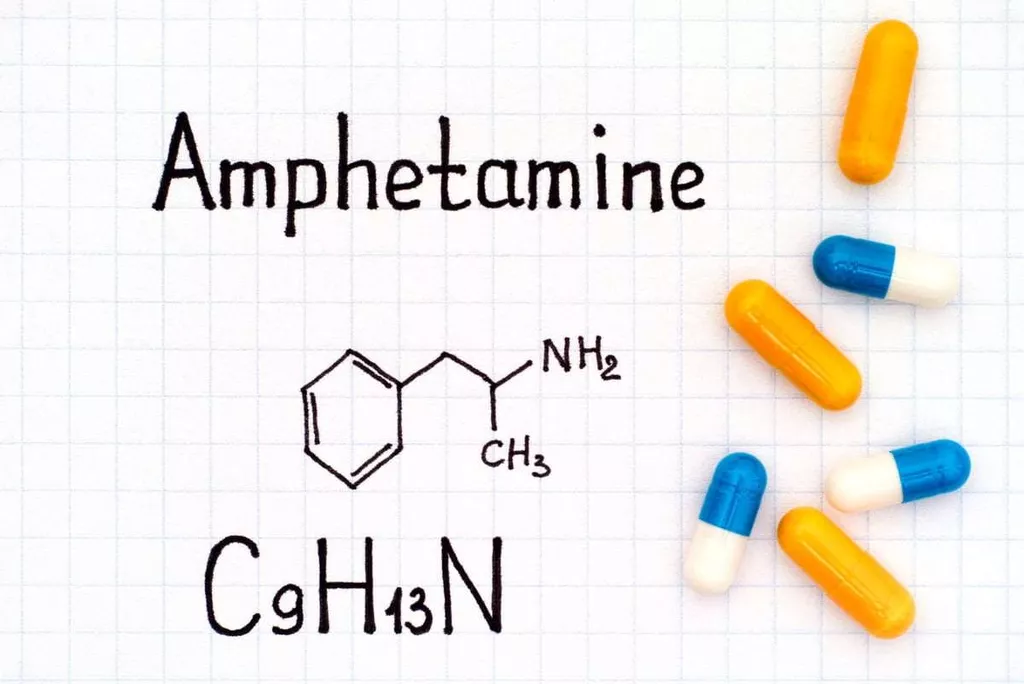
Allergens in Wine
Your doctor or allergist will likely perform a skin test in order to determine what component of wine you are allergic to. Once the allergen has been identified, your doctor can help you develop a plan of action to manage your allergy in the future. If you have an allergy to any of the ingredients used in alcoholic beverages, you may experience more severe reactions, such as hives or a rash.
- Since even tiny amounts of merlot may trigger such a reaction, blended wines containing a combination of grapes need to be avoided.
- The most common symptom of an alcohol allergy is hives or welts on the skin.
- In particular, if you have developed an intolerance or allergy to wine, then this could lead to more severe reactions such as anaphylaxis.
- There are some IPA’s I enjoy and others that bother me but I’ve just stopped them all together because I don’t know what it is.
Can I reduce or eliminate sulfites in wine by adding hydrogen peroxide (H2O to my glass?

Those with allergies may experience sneezing, itching, and other respiratory symptoms when exposed to red wine. To avoid experiencing such allergic reactions, it is important to consult with a doctor and identify any allergies before drinking red wine. Alcohol, especially red wine and beer, contains histamines and can trigger the release of more histamines in your body. This can exacerbate allergic reactions, making symptoms like congestion, sneezing, and itching more pronounced.

Can Red Wine Cause Rhinitis?
However, studies have found that a large percentage of red and white wines exceed these recommendations. Most wines don’t state their histamine content on the label, which can make it difficult to know what you’re choosing. Others believe it’s just a coincidental occurrence with no real significance. Whatever the source, sneezing after drinking beer is a phenomenon that many people have experienced. It may be nothing more than coincidence, or it could signal the start of legal intoxication. Either way, it’s definitely something to keep an eye on if you’re out enjoying some beers with friends.
- White wine has been around for centuries and is enjoyed by many people worldwide.
- It is estimated to affect around 1% of the population, though this figure may vary.
- Knowing the potential risk posed by histamines will help ensure that the wine is safe and enjoyable for everyone to consume.
- Continue reading to learn more about wine allergies, the potential allergens in wine, and how to know if you’re allergic to them.
- In some people, drinking alcohol may also trigger an allergic reaction, which can cause sneezing and other symptoms.
- If you think you may have developed an allergy to alcohol, it is important to see your doctor for diagnosis and treatment.
It occurs when your immune system overreacts to alcohol, treating it as a harmful invader and releasing histamines. Such reactions can include wheezing, coughing, chest tightness, and allergic rhinitis (hay fever). When you take a sip of alcohol, your body triggers a reaction in which your blood vessels widen and blood flow increases. This increased sensitivity can lead to a sneeze reflex being triggered, causing you to sneeze.
Why Do I Experience Nasal Congestion After Drinking Alcohol?
Additionally, moderate or heavy drinking may cause dehydration and electrolyte imbalances which can lead to exercise-related muscle cramps. Muscle cramps, joint pain, and weakened immune system can be caused by intense physical activity. Muscle cells may become damaged due to overexertion, and blood vessels Oxford House in the body may suffer damage as a result of strain from prolonged exercise. Memory impairment is another common side effect of excessive drinking that can hinder mental functioning. Alcohol consumption should be avoided during pregnancy as it can lead to serious liver damage and impede any attempts at conception for those trying to have children.